
PREMIER DOBERMANNS
Our goal is to provide healthy, content, and show-ready Doberman Pinscher puppies who are ready to join your home or excel in the ring.
Find Your Perfect European Doberman Puppy Today
Strong in spirit, loyal at heart. Discover beautiful Dobermann puppies raised with care, love, and dedication

About us
Who We Are & What We Do
Our tiny, family-run business is motivated by our passion and respect for European Dobermans.
Our goal is to offer the ideal pet, not just the ideal dog!
We can make sure that the families who adopt our dogs have the information they need and that our puppies receive the affection they deserve by collaborating with respectable European Doberman breeders, kennels, and vets abroad.
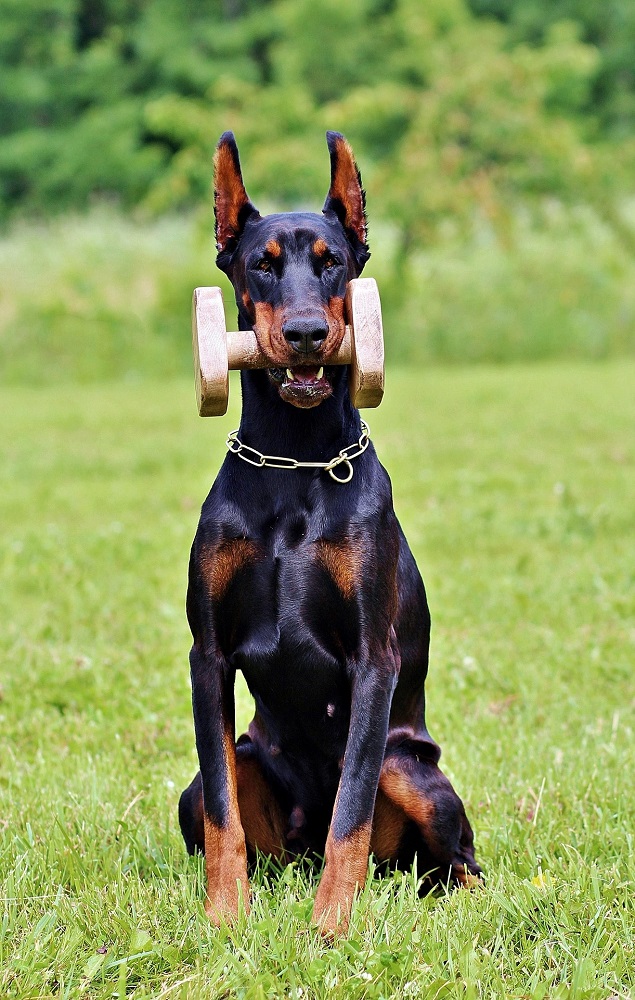
Premier Dobermann
Health Testing
Health Testing VON WILLEBRAND DISEASE TYPE I (VWD)
When dogs suffer from coagulopathies, which are disorders of blood clotting, they may experience signs like easy bruising or bleeding. During veterinary procedures, they may be more susceptible to excessive bleeding, so it’s crucial to inform your veterinarian. This way, they can have the necessary blood products on hand for a transfusion if needed. Additionally, affected dogs may require close monitoring even in their day-to-day lives. If you’re aware of your dog’s condition early, you and your veterinarian can work together to discuss and implement precautionary measures.
DILATED CARDIOMYOPATHY (DCM 1 - 4)
The most common heart disease acquired by dogs is a progressive disorder of the heart ventricles known as DCM. Early diagnosis and treatment are crucial. The ventricles, which are the muscular chambers responsible for pumping blood away from the heart, gradually lose muscle mass in DCM. This leads to ventricular dilation, a reduction in heart contractility, and an inability to pump oxygenated blood to the body. Typically, DCM is identified in adult dogs during the advanced stages of the disease, when the heart is severely compromised. Signs of heart failure include weakness, cold toes and ears, blue-grey gums and tongue, and respiratory distress. Specialized tests can be used to evaluate the shape and activity of the heart muscle and diagnose DCM in dogs that present to the vet.
DEGENERATIVE MYELOPATHY (DM)
This is a degenerative disorder of the spinal cord that affects mature dogs. DM is a progressive disease that can cause muscle wasting and gait abnormalities. Typically, affected dogs do not exhibit any signs until they are at least 8 years old, at which point the first signs of neural degeneration appear in the nerves that control the hind limbs. Owners may notice their dogs scuffing the tops of their hind paws or walking with an exaggerated, hesitant gait. As the disease advances, lower motor neurons may also be affected, leading to weakness or near-paralysis of all four legs and widespread muscle wasting. Because DM typically affects dogs at an advanced age, treatment is aimed at making them comfortable in their golden years, and includes lifestyle changes and physical therapy.
MALIGNANT HYPERTHERMIA (MH)
MH, or malignant hyperthermia, is a genetic disorder that affects skeletal muscle. It is characterized by hypercarbia, rhabdomyolysis, generalized muscle contracture, cardiac dysrhythmia, and renal failure. MH can develop when a dog is exposed to succinylcholine or volatile anesthetic agents. However, specific interventions can be employed to reverse the signs of this canine syndrome. For instance, the use of dantrolene, which is a calcium release channel antagonist, has been found to be effective in treating the disorder.
NARCOLEPSY
Narcolepsy is a hereditary disorder that affects Doberman pinschers. Typically, dogs with the inherited form of narcolepsy will present between one to six months of age with an inability to stay awake for extended periods of time. They may also experience episodes of collapse and sleep following positive stimulation such as play or food. Affected dogs fall asleep faster than normal dogs and appear sleepy more frequently. During episodes of collapse, dogs experience a sudden loss of muscle tone and appear uncontrollably sleepy, but may or may not completely fall asleep. It’s important to note that symptoms do not progress after one year of age, and affected dogs do not have other associated health problems.
HEREDITARY DEAFNESS
Doberman Pinschers can be affected by a congenital syndrome that causes hearing loss and vestibular dysfunction. The inheritance pattern of this syndrome is thought to be autosomal recessive. This disorder could potentially represent a spontaneous animal model of an autosomal recessive syndromic hearing loss. It’s important to note that this syndrome is present from birth and can have a significant impact on a dog’s quality of life.
HIP DYSPLASIA
Hip dysplasia is a common developmental disorder that affects dogs, particularly large and giant breeds. It is caused by an abnormal formation of the hip joint, which can result in a range of symptoms including pain, stiffness, and lameness. In dogs with hip dysplasia, the ball and socket joint of the hip does not fit together properly, which can cause wear and tear on the joint surfaces, leading to arthritis and other joint problems. This condition can be genetic or caused by environmental factors such as excessive growth, rapid weight gain, and high-impact exercise. While there is no definitive cure for hip dysplasia, there are several treatment options available to help manage the condition and improve a dog’s quality of life, including pain management, weight control, exercise modification, and surgical intervention in severe cases.
THYROID
Thyroid testing is a common diagnostic tool used to assess the health of a dog’s thyroid gland. The thyroid gland plays a crucial role in regulating a dog’s metabolism, and a malfunctioning thyroid can lead to a range of health problems, including weight gain or loss, hair loss, lethargy, and behavioral changes. Thyroid testing typically involves a blood test that measures the levels of thyroid hormones in the dog’s bloodstream. The two hormones that are typically measured are thyroxine (T4) and triiodothyronine (T3).
YEARLY ECHO
Echocardiography, or echo, is a valuable diagnostic tool for dogs with dilated cardiomyopathy (DCM), a condition characterized by a weakened and enlarged heart. Echo allows veterinarians to visualize the structure and function of the heart, and can help identify the underlying cause of DCM and assess the severity of the disease.
YEARLY HOLTER
Holter testing is a diagnostic tool used in dogs to assess their risk of developing dilated cardiomyopathy (DCM), a condition in which the heart becomes weakened and enlarged. Holter testing involves monitoring a dog’s heart rate and rhythm over a period of time using a small, portable device called a Holter monitor. During a Holter test, the dog wears the monitor for 24 to 48 hours while going about their normal daily activities. The monitor continuously records the dog’s heart rate and rhythm, providing valuable information about any abnormalities or irregularities in heart function. The data collected during a Holter test can help veterinarians diagnose DCM by identifying changes in heart rate, heart rhythm, and the presence of any arrhythmias or other abnormalities. This information can also be used to assess the severity of the disease and guide treatment options.
CHECK OUR DOBERMANN?

Customers Reviews
Read What Our Customers Are Saying
What a wonderful experience speaking with Lorris, He truly has a passion for the Doberman and wants to share that with others interested in the breed. Quite the contrary with many of the breeders I have spoken with on my journey to find the perfect Doberman for me. He is extremely knowledgeable about the European Breed and has gone above and beyond on his research with the best health practices and diets best for his dogs. I admire his intensity and tenacity to learn more and to produce a beautiful Doberman. I recommend following this breeder.
Fred
Lawson

This is an excellent breeder that truly cares about the breed. I reached out to them for a random question I had about ear posting. Not only were they super responsive, but provided excellent guidance and offered to stay in touch with me along the way. I will be looking to purchase another puppy in the future, and will absolutely go through Paul Doberman!!!! Highly, highly recommended!
Victoria
D.